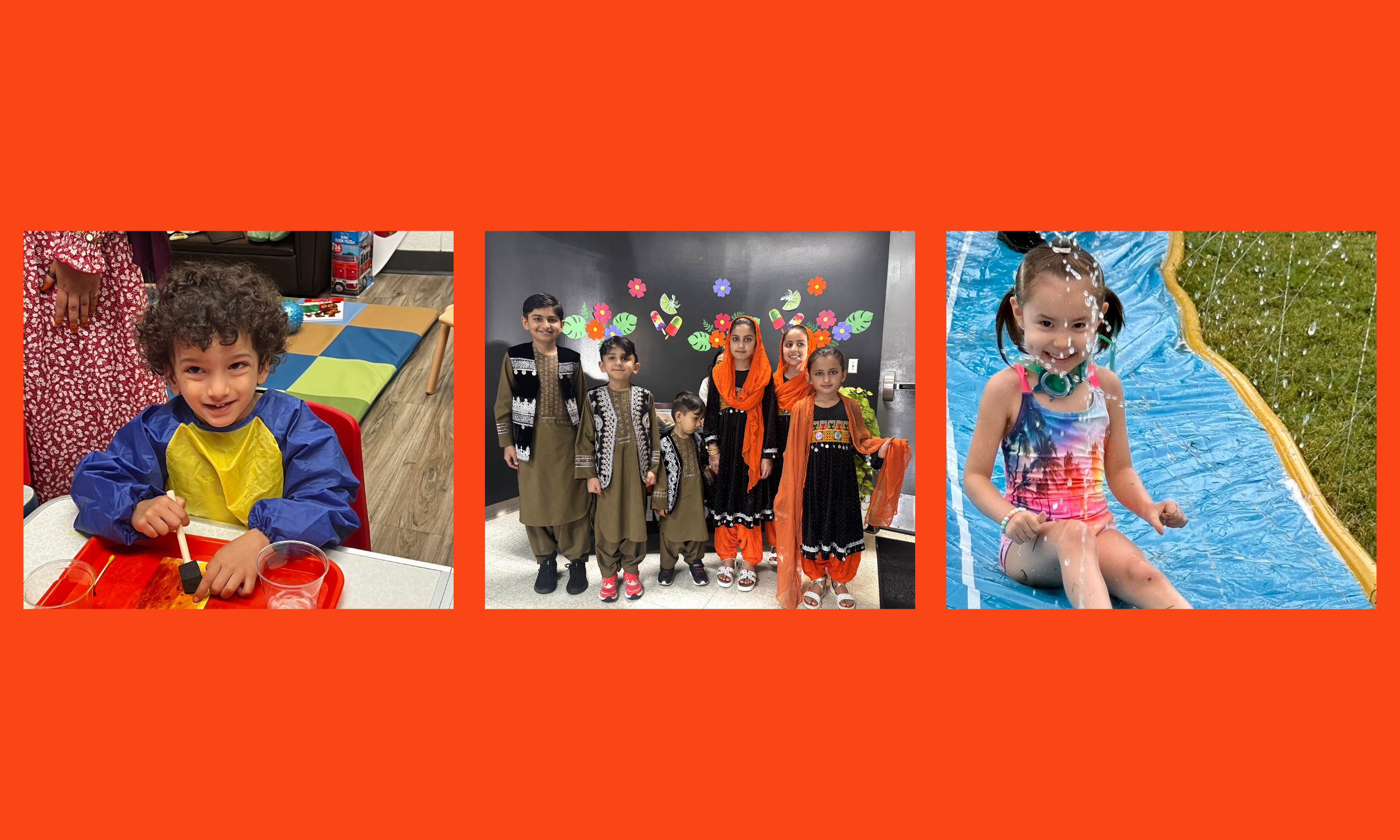
Summer camp is often a cherished childhood tradition, but for many refugee and immigrant families, it's something entirely new. At YWCA Tulsa, we're making sure our campers have the chance to experience the joy, discovery and sense of belonging that summer camp can bring while honoring the languages, cultures and traditions that make each family unique.
What began as a way to provide childcare to parents attending ESL classes has grown into a five-week summer experience for children in infancy to 10. Youth Education Supervisor, Lydia Kirha explained “During the summer, ESL students have school-age kids at home. They aren’t able to leave the house, and we wanted to increase enrollment and have students continue to learn over the summer.”
When summer camp enrollment jumped from 30 to 80 in one year, Kirha knew she was onto something. Today, the camp has exciting weekly themes, bilingual teachers and volunteers and community guests who pop by with a learning activity.
YWCA Tulsa Summer Camp Weekly Themes:
Space Adventure
Mythical Creatures
Science Lab & Crazy Experiments
Wild Adventures - Jungle Safari
Super Builders & Inventors
This year's campers became scientists, inventors and explorers through activities like creating galaxies in jars, making bubbling lava lamps, experimenting with invisible ink, building shelters, solving scavenger hunts and investigating storm science. Community partners, including Discovery Lab, bring hands-on learning to life with exciting science demonstrations that spark curiosity.
For many campers, these aren't just fun projects. They're first-time experiences. “The campers learn new English vocabulary and skills. Plus these are activities they have never done like learning to ride a bike or setting up a tent,” Kirha said.
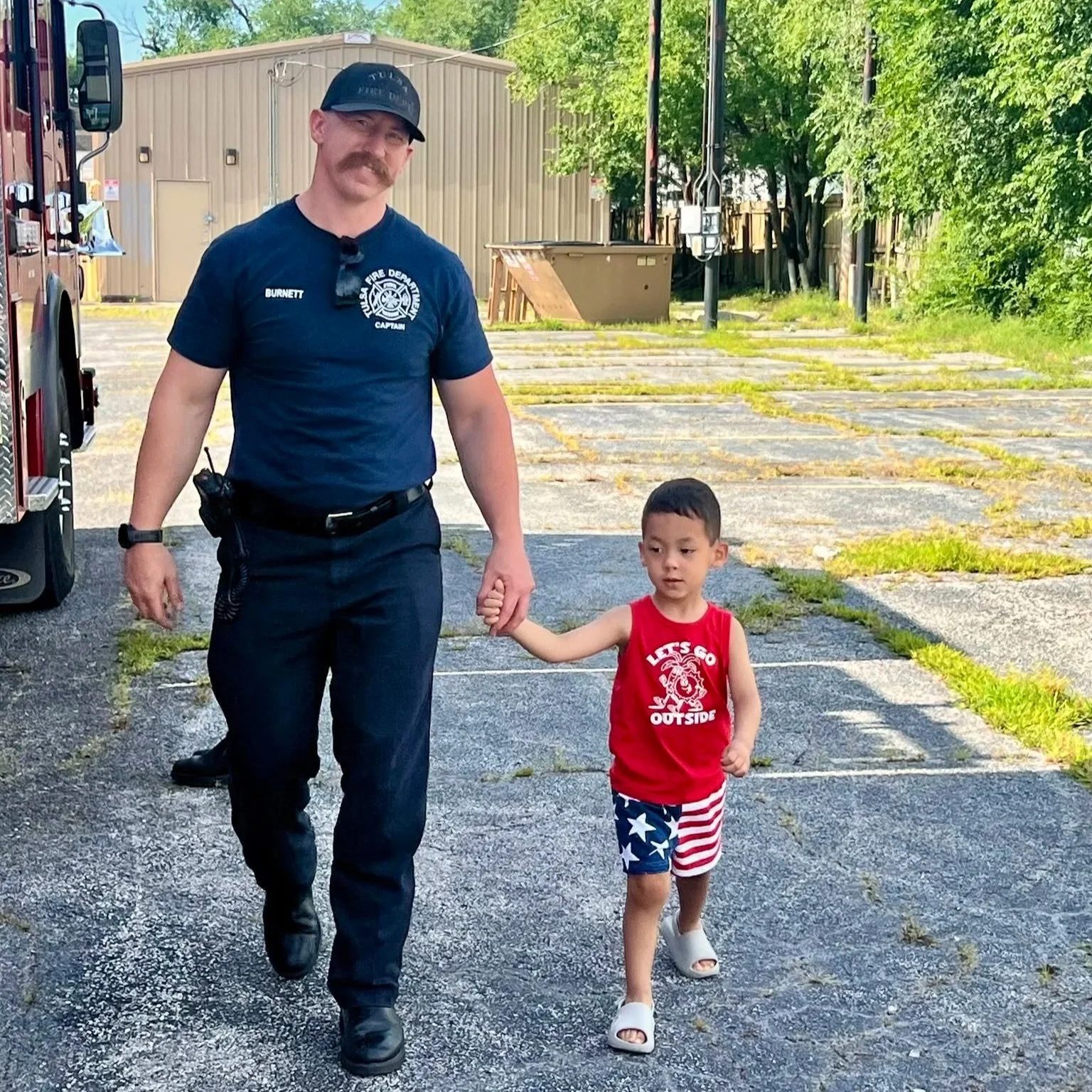
When the Tulsa Fire Department visits to do a show-and-tell, kids tour the firetruck and learn fire safety habits, but the campers aren’t the only ones who learn. The guest speakers are often introduced to a new culture.
“The community is finding out that our kids are normal. They may look a little different, dress a little different, but they are just like us,” Kirha said.
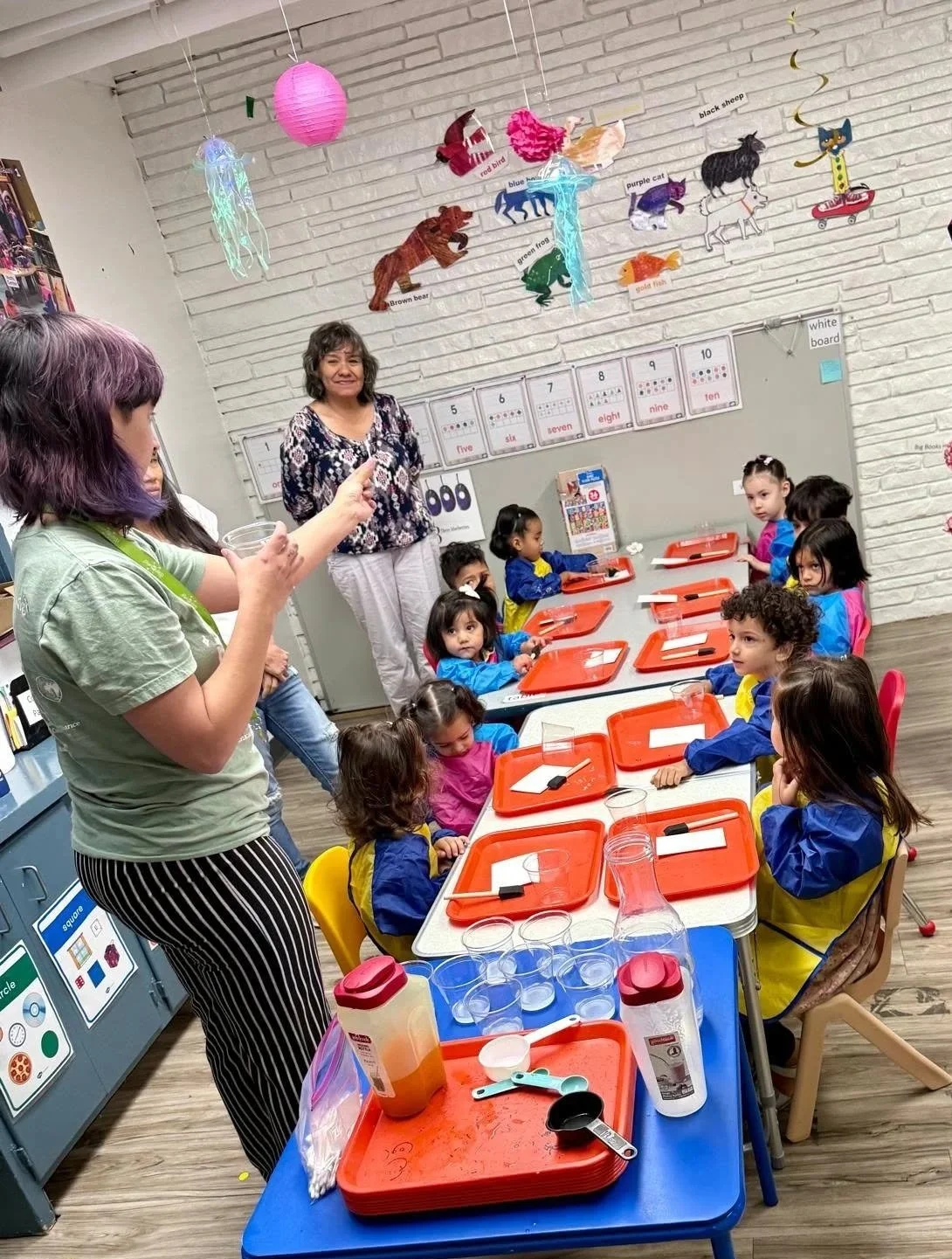
Many of the kids speak Pashto, Dari or Spanish as their first language. That's why bilingual teachers are at the heart of the program. Plus, our educators share similar backgrounds with the families they serve. They understand that in some cultures, avoiding direct eye contact with adults is a sign of respect, not disrespect. They know that children may have been taught to quietly listen rather than speak up in class. They understand traditions around food, ensuring meals are halal when needed, and they recognize the small cultural differences that help children feel seen instead of misunderstood.
"When children see someone who looks like them and speaks their language, they open up," said Kirha.
She knows that feeling personally. Originally from India, she remembers the culture shock of arriving in the United States and understands how isolating those first years can feel for immigrant families.
"I wanted to help our clients integrate successfully," she said. "I can relate to what they're going through."
That understanding extends beyond the classroom. Every family receives bilingual books to take home, encouraging parents and children to read together while learning English side by side.
An excited parent shared with Kirha that “her kids are so excited for camp each day that they go to bed early because they can’t wait to wake up in the morning,” Kirha said.
At YWCA Tulsa, we believe that is the kind of excitement every kid deserves.